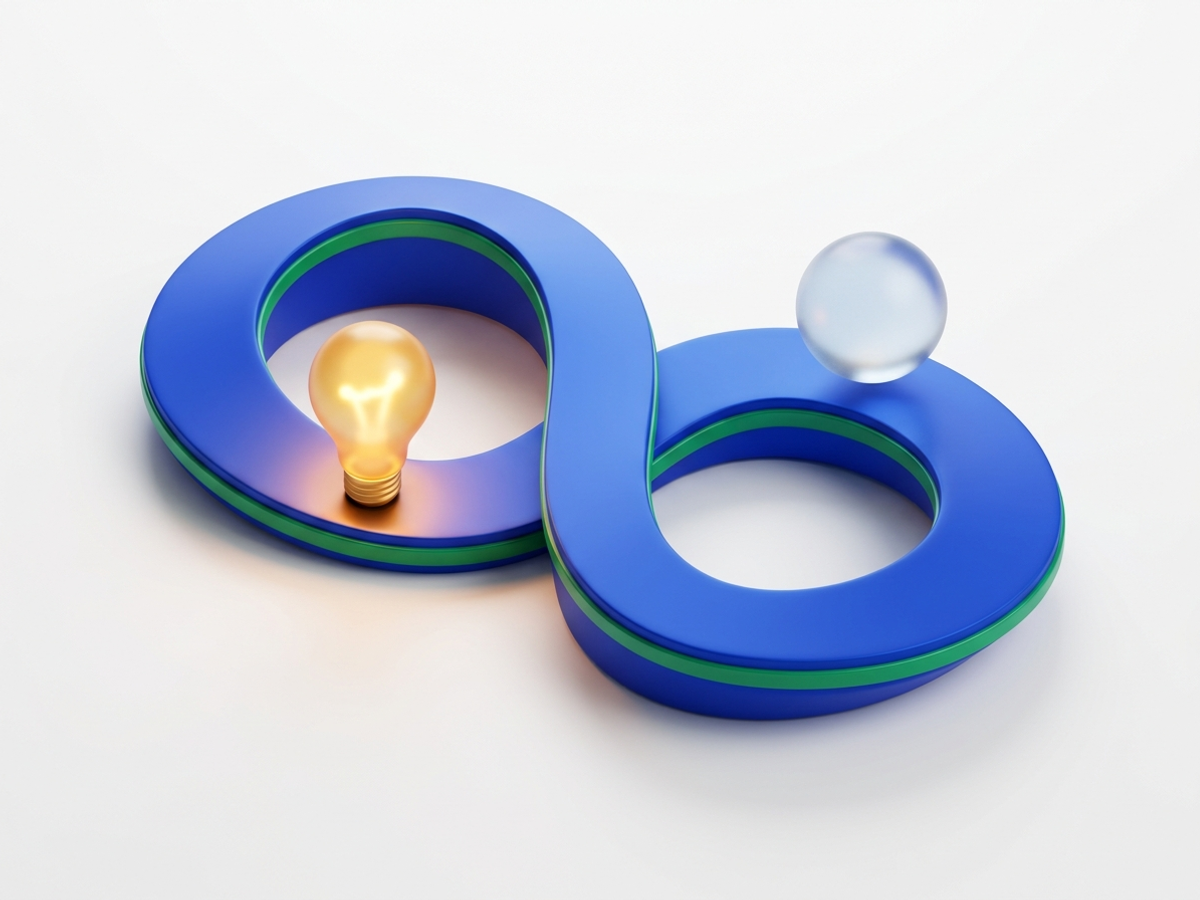
Discovery is not a single workshop or a document. It is a repeatable loop that helps a team reduce uncertainty before committing to a solution.
Frame the opportunity
Start by describing the user problem and the outcome you want to change. Avoid jumping straight to a feature request before the team agrees on the underlying opportunity.
Gather the smallest useful evidence
Combine customer conversations, behavioral signals, and existing product knowledge. The goal is not to collect everything. The goal is to learn enough to make the next decision responsibly.
Turn learning into a decision
End each discovery cycle with a clear choice: continue, change direction, test a smaller bet, or stop. A decision is more valuable than another meeting full of notes.
Key takeaways
- Frame the user problem before the feature
- Collect the smallest useful evidence
- End discovery with a decision